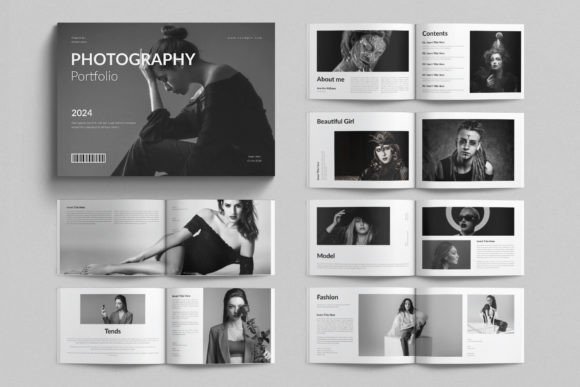
Photography Portfolio Template Landscape: Elevating Your Visual Story
In the competitive landscape of visual arts, the medium through which you present your work is just as critical as the images themselves. A Photography Portfolio Template Landscape serves as more than a simple container for photographs; it is a strategic tool designed to curate, organize, and elevate your artistic narrative. For photographers ranging from seasoned professionals to emerging creatives, the shift towards digital-first yet print-ready portfolios has become a necessity. This evolution reflects a broader industry trend where efficiency meets aesthetics, allowing creators to focus on their craft while ensuring their presentation remains polished and professional.
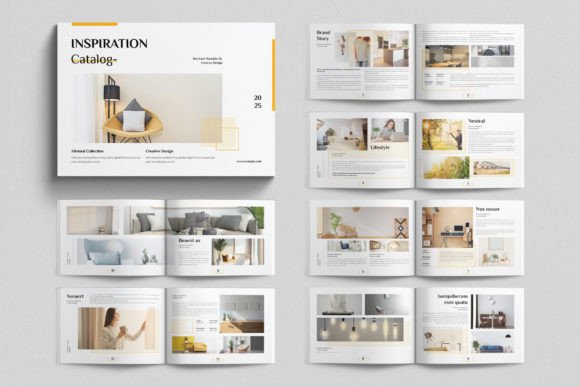
The specific utility of a 20-page Photography Portfolio Template Landscape created for Adobe InDesign lies in its ability to streamline complex design tasks. Modern workflows demand speed without sacrificing quality. Whether you are pitching to a high-end editorial client or showcasing your latest series at a gallery opening, the structure provided by such a template ensures consistency. It bridges the gap between raw creativity and market-ready deliverables, offering a framework that supports modern, elegant, and minimal concepts. By leveraging these tools, photographers can adapt to changing user expectations where clients increasingly value clarity, brevity, and visual harmony.
The Evolution of Professional Presentation
The way photographers showcase their work has undergone a significant transformation over the last decade. Gone are the days when a physical leather-bound book was the only standard for serious inquiries. Today's market operates in a hybrid environment where digital previews lead to printed proofs, and social media snippets drive interest in comprehensive collections. The Photography Portfolio Template Landscape addresses this duality by providing a robust foundation that works seamlessly across different formats.
This shift is driven by the need for versatility. Clients today often expect to see a cohesive brand identity that extends beyond individual images. They look for a storyteller who understands composition not just within the frame, but across the page. A well-structured template allows for this macro-level storytelling. It enables the photographer to control the pacing of the viewer's experience, guiding them through a sequence of images that build an emotional arc rather than a random assortment of shots. As the industry moves towards minimalism, the clutter-free approach of these templates aligns perfectly with current design preferences, ensuring that the photography remains the undisputed hero of the presentation.
Why Structure Matters in Creative Workflows
For many creatives, the blank page is a source of anxiety. Starting a portfolio from scratch involves making dozens of micro-decisions regarding margins, typography, grid alignment, and color balance before a single image is placed. This friction can stall productivity and dilute creative energy. The 20 pages Photography Portfolio Template Landscape eliminates this barrier by providing a pre-engineered system. Every element is organized in layers and aligned to a grid, adhering to professional design standards that might otherwise take hours to establish manually.
This structural integrity is crucial for maintaining a consistent brand voice. When every page follows a logical rhythm, the portfolio feels intentional. It signals to potential clients that the photographer is detail-oriented and respects the viewer's time. In a market saturated with content, a portfolio that is easy to navigate and visually pleasing stands out. The use of master pages in Adobe InDesign further enhances this workflow, allowing for global changes to headers, footers, or page numbers instantly. This efficiency means that updates to the portfolio can be made rapidly as new work is produced, keeping the presentation fresh and relevant.
Technical Precision for Print and Digital Excellence
While the aesthetic appeal is paramount, the technical underpinnings of a portfolio template are what ensure it functions correctly in real-world scenarios. The Photography Portfolio Template Landscape is built with specific technical requirements in mind, catering to both international and domestic markets. Available in two primary sizes—International A4 and US Letter—it accommodates the diverse needs of clients globally. This flexibility is essential for freelancers and agencies that operate across borders, ensuring that no matter where the client is located, the file dimensions are correct for local printing standards.
Color management is another critical aspect often overlooked in DIY designs. This template utilizes CMYK color mode, which is the industry standard for offset and commercial printing. Using RGB files for print projects can result in dull, inaccurate colors that fail to represent the vibrancy of the original photographs. By starting with a CMYK foundation, photographers ensure that their printed materials will match their screen previews closely. Furthermore, the inclusion of a premade neutral color palette provides a sophisticated backdrop that does not compete with the imagery. However, the template is not rigid; users can change colors to adapt their brand palette in just one click, striking a balance between ready-to-use convenience and full customization.
Compatibility Across Software Versions
One of the most practical advantages of this resource is its broad compatibility. The creative software ecosystem is vast, with users operating on various versions of Adobe InDesign. To address this, the template comes in multiple formats: INDD compatible files for Adobe InDesign CC, INDT compatible files for older CC versions, and IDML compatible files for legacy versions like CS4, CS5, and CS6. This inclusivity ensures that whether a designer is using the latest subscription-based software or a perpetual license version, they can access and edit the files without conversion errors.
Bleed settings are also pre-configured with precision. The template includes a bleed size of 3mm (0.125 in), which is the standard safety margin required by most professional printers to prevent white edges on trimmed prints. This attention to detail saves users from costly printing mistakes and the frustration of reworking files after receiving rejection notices from print shops. Additionally, the separation of images, text, and backgrounds into distinct layers allows for non-destructive editing. Users can swap out photos or adjust text blocks without accidentally shifting other elements, maintaining the integrity of the layout throughout the editing process.
Customization and Brand Identity
A common misconception about using templates is that they limit creativity or result in a generic look. In reality, a high-quality Photography Portfolio Template Landscape acts as a launchpad for personal expression. The design philosophy behind this template is rooted in minimalism, which inherently encourages the content to shine. The "modern, elegant, and minimal" concept mentioned in the design brief is not a constraint but a style guide that helps photographers communicate sophistication.
Typography plays a vital role in establishing this tone. The template uses free fonts, with links included in the help file, ensuring that there are no licensing barriers or hidden costs. These fonts are carefully selected to complement photographic imagery, offering excellent readability and visual weight. Character and paragraph styles are pre-defined, meaning that once a user types their bio or captions, the formatting applies automatically. This consistency in typography reinforces brand identity, making the portfolio feel cohesive and professionally authored.
Furthermore, the ability to edit brand colors through a centralized palette empowers photographers to align the portfolio with their existing marketing materials. If a photographer's website uses a specific shade of teal and charcoal, they can apply those exact hex codes to the template's swatches. This seamless integration creates a unified brand experience across all touchpoints, from social media profiles to printed brochures. It demonstrates a level of professionalism that resonates with high-value clients who appreciate attention to detail and brand coherence.
Practical Implications for the Modern Creator
The adoption of tools like the Photography Portfolio Template Landscape has tangible benefits for business growth and career development. For freelancers and entrepreneurs, time is a finite resource. By reducing the time spent on layout design, creators can dedicate more hours to shooting, editing, and networking. This efficiency translates directly into increased output and the ability to take on more clients. In a fast-paced industry, the ability to turn around a polished proposal quickly can be the difference between winning a contract and losing it to a competitor.
Moreover, the psychological impact of a professional presentation cannot be overstated. When a client receives a portfolio that is clean, well-organized, and visually stunning, it subconsciously communicates competence and reliability. It suggests that the photographer treats their work with care and respect. This perception builds trust, which is the foundation of any successful client relationship. Whether the goal is to secure a retainer, land a magazine feature, or sell prints, the quality of the presentation influences the perceived value of the services offered.
It is also worth noting that while the template provides the structure, the content remains entirely up to the creator. Photographs and mockups are not included, giving users complete freedom to populate the 20 pages with their best work. This requirement forces a curation process, encouraging photographers to select only their strongest images. In an era where quantity often overshadows quality, this discipline is valuable. It ensures that every page contributes to the overall narrative, creating a powerful and memorable impression.
Future-Proofing Your Creative Business
As technology continues to evolve, the core principles of good design remain constant. While the platforms we use to share our work may change—from physical books to interactive PDFs to web galleries—the need for clear hierarchy, balanced composition, and strong typography persists. Investing in a versatile, editable template like this one future-proofs your workflow. It provides a solid foundation that can be adapted as trends shift. The modular nature of the design, with its separate layers and master pages, makes it easy to update layouts as new features in Adobe InDesign are released or as client preferences change.
Ultimately, the Photography Portfolio Template Landscape is more than a file download; it is a strategic asset. It empowers photographers to present their work with confidence, ensuring that their artistic vision is communicated clearly and effectively. By combining technical precision with aesthetic elegance, it addresses the practical needs of the modern creative economy. For anyone looking to elevate their professional presence, embracing such tools is a realistic and impactful step forward in building a sustainable career in photography.